Space Games by Ex-Naughty Dog Developers: Hidden Gems on iPhone
 by Galaximus
Space Games by Ex-Naughty Dog Developers: Hidden Gems on iPhone
Full disclosure: the author developed Galaximus.
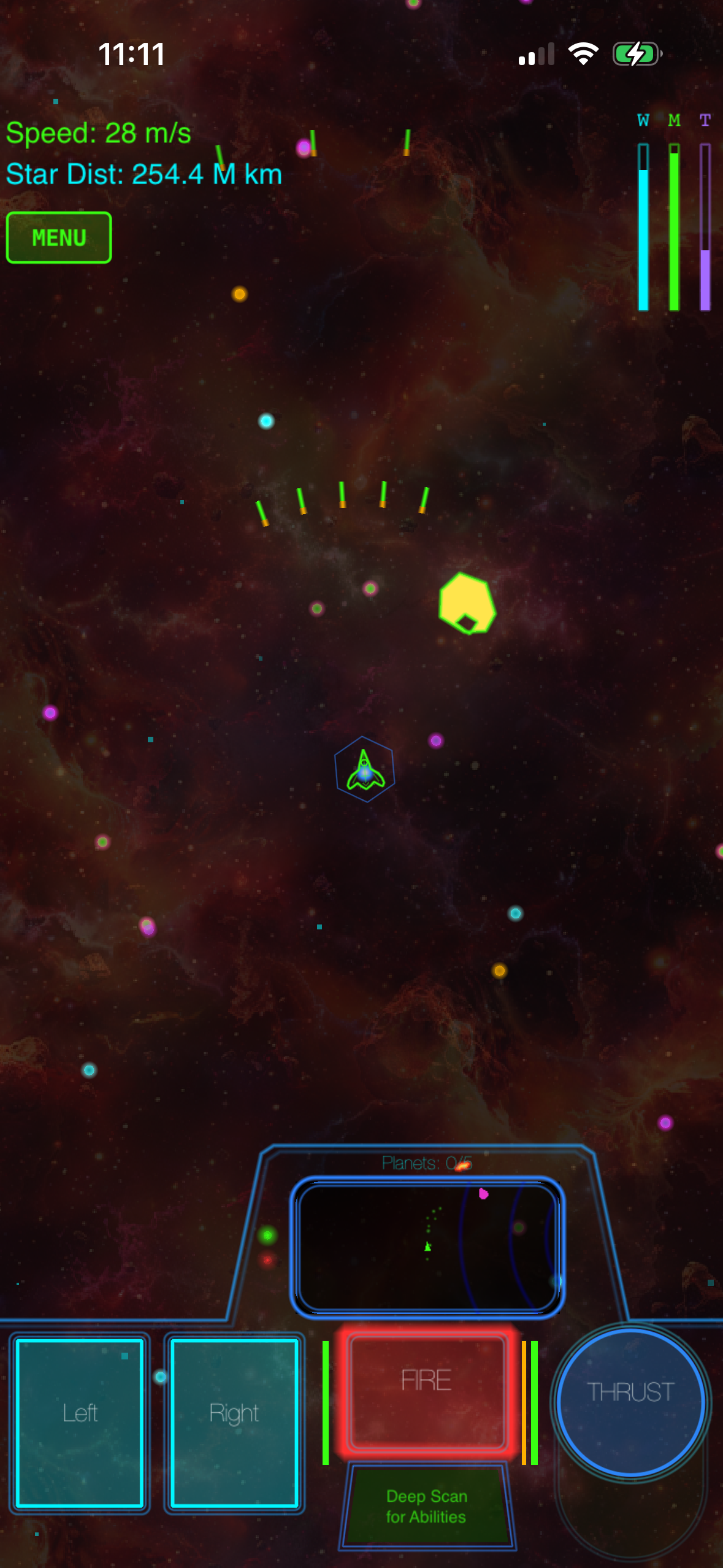
Galaximus is a premium iOS space-exploration game where gravity is your engine, not window dressing. You don’t assemble rockets or manage resources—you pilot a ship through real orbital mechanics, using slingshots around planets and fuel-efficient transfer windows to solve spatial puzzles. It’s arcade-action with actual physics underneath, built by a solo developer who shipped The Last of Us Part II at Naughty Dog and decided to make the space game they wanted to play instead.
That’s a specific choice, and it separates Galaximus from the hundreds of free-to-play space games cluttering the App Store.
Why Ex-AAA Developers Matter in Indie Space Games
The indie space-game market is crowded. Search “space games iPhone” and you’ll find hundreds of titles. Most are free-to-play with aggressive monetization. Most are abandoned quickly.
Ex-AAA developers bring three things that change the equation:
Shipping discipline. A developer who shipped a AAA title knows what “done” means. They’ve managed technical debt, learned which features matter, and eliminated scope creep. That experience compresses into tighter, more complete products.
Polish-per-feature ratio. At Naughty Dog, every mechanic gets iterated until it feels right. When one person applies that standard to focused scope—a single space-exploration game, not a 40-hour cinematic epic—the result is something that feels disproportionately refined for mobile.
Permission to make hard design choices. AAA studios optimize for broad appeal. Indie developers who’ve already proven themselves can afford to make a game that’s not for everyone. Galaximus has a real learning curve. That’s a choice we could make because we weren’t chasing a 50M download target.
What Galaximus Is (and Isn’t)
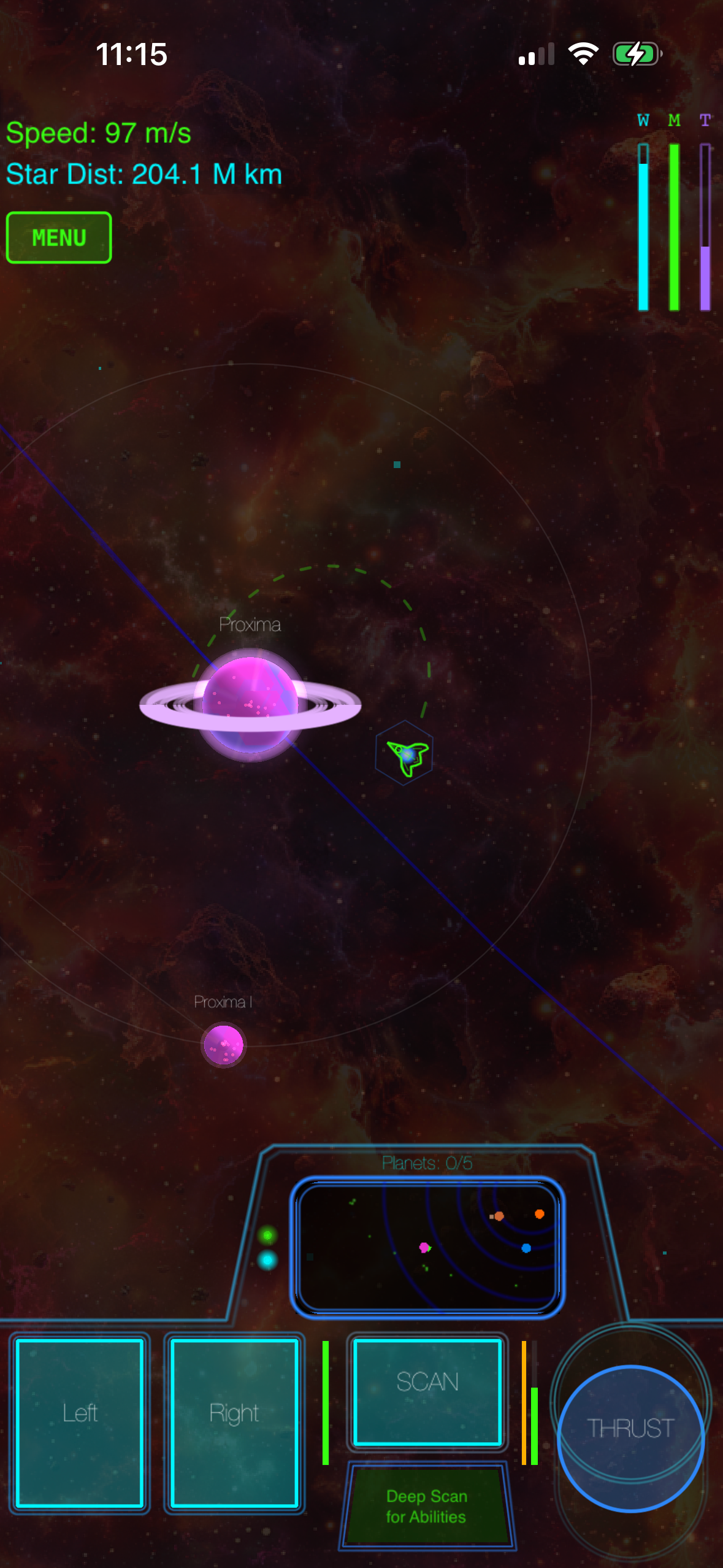
Galaximus is a premium iOS space-exploration game where every celestial body obeys real orbital mechanics. Planets orbit suns, moons orbit planets, asteroids tumble through gravity wells. Your ship—the New Dawn—is subject to all of it. Mastery comes from using gravity as your engine: slingshots around planets, orbital captures, fuel-efficient transfer windows.
We’re not Kerbal Space Program. KSP teaches you to be an engineer. Galaximus teaches you to fly. You don’t build rockets; you pilot a ship. The physics is the interface through which you solve problems, not the gameplay loop itself.
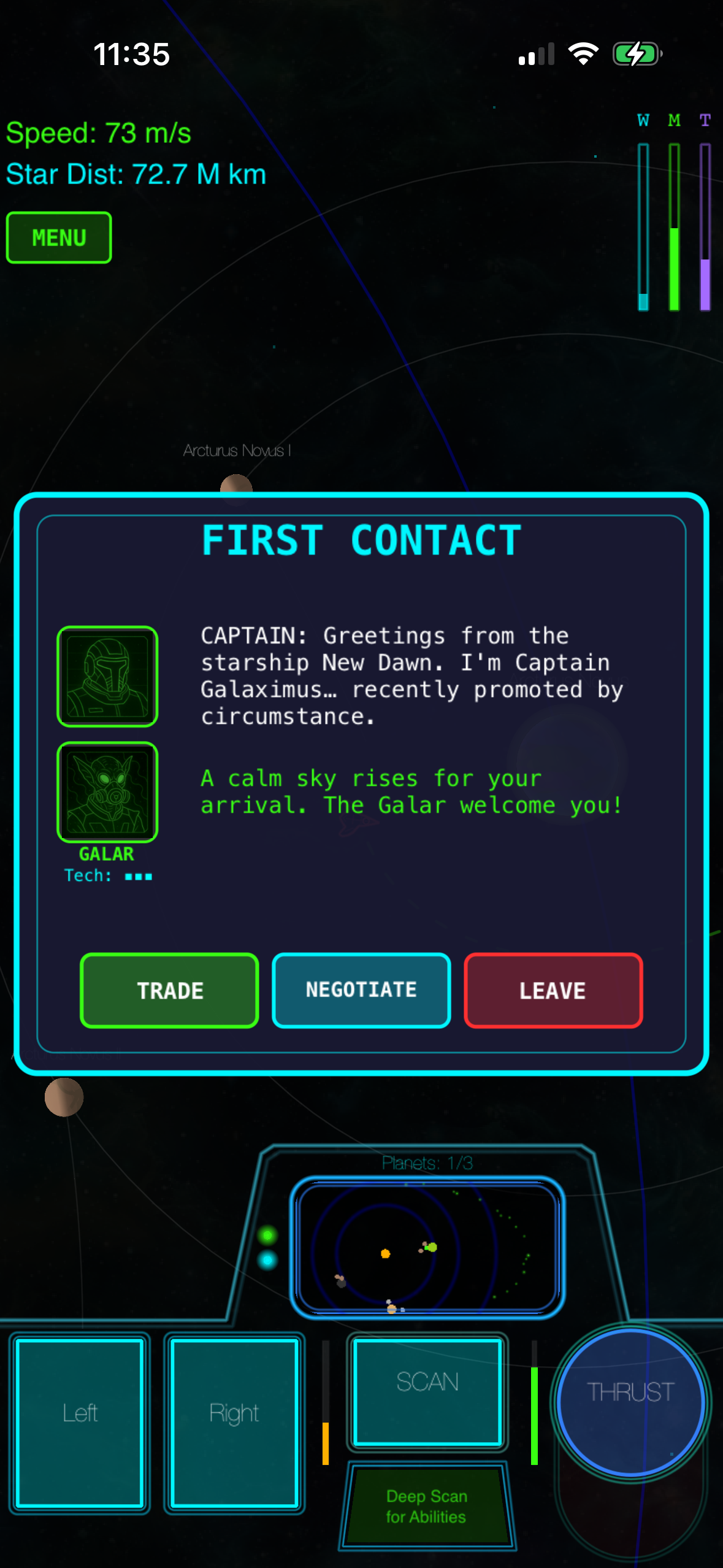
We’re not No Man’s Sky. We have a structured 8-system campaign with a beginning, middle, and satisfying ending. Each playthrough generates unique planet configurations for replay value, but the narrative arc is authored.
Galaximus is premium-only. No ads. No in-app purchases. No energy timers. Pay once at launch tier, own forever. The Galaximus Infinitum expansion (late 2026) adds open-galaxy sandbox, planetary surface exploration, outposts, and faction warfare. Launch-tier buyers get Infinitum free; new buyers after release pay a higher tier that includes both.
The Solo-Developer Path vs. Studio Teams
Small teams divide labor—one person handles art, another handles audio, another handles systems design. You get breadth faster. The tradeoff is negotiating design decisions across multiple people.
Solo developers face a different constraint: bandwidth. You make hard choices about scope and tooling. You pick an engine. You pick an art direction you can execute alone (vector graphics, procedural generation, minimalist UI). You automate what you can.
The hidden advantage: coherence. One person’s vision, applied consistently across every system. No compromises between departments. No feature creep driven by different people lobbying for their pet mechanic. That coherence is why players often describe indie games as having “personality”—there’s a singular sensibility running through them.
Procedural Audio and the Technical Story
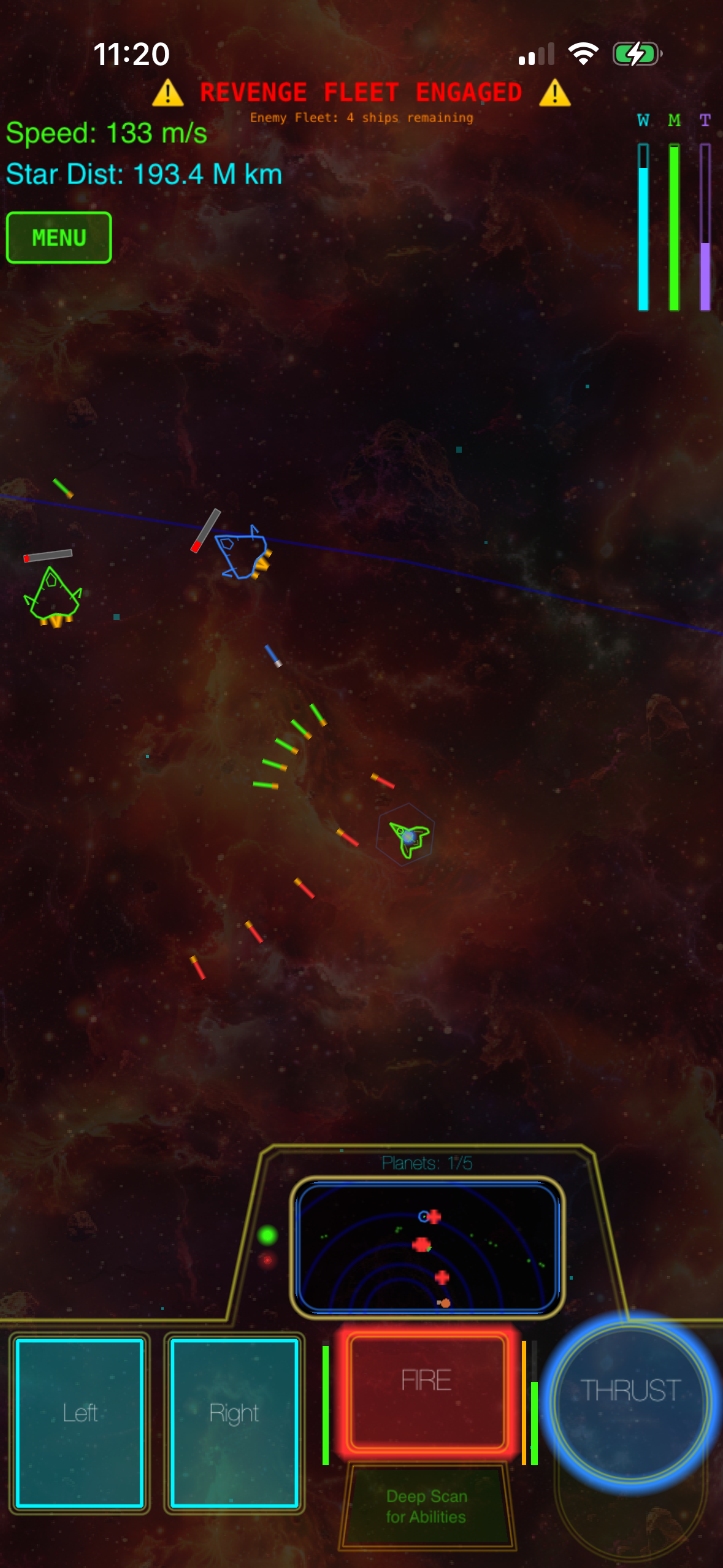
Every sound in Galaximus is procedurally synthesized in real time. No sound files. No pre-recorded audio library. Every laser, explosion, engine burn, alien voice, and ambient hum is generated on the device as it plays.
This isn’t AI. It’s procedural synthesis—mathematical generation of audio waveforms based on parameters. Recording and editing audio for a mobile game requires access to studios and sound engineers. Procedural synthesis requires understanding DSP and waveform math, but it scales to one person.
Why this matters to you: Pre-recorded audio libraries sound inconsistent because they’re collections of discrete samples. Procedurally synthesized audio sounds coherent because every sound shares the same mathematical DNA. Every explosion has the same sonic signature. Every alien voice is generated from the same speech-synthesis engine. That consistency is subtle but unmistakable when you play—the game’s audio identity feels unified in a way that sampled libraries can’t match.
Quick Picks: Which Space Game Is Right for You?
Best for learning orbital mechanics: Kerbal Space Program (desktop or mobile). It teaches you to be a rocket engineer. If you want to understand delta-v, staging, and transfer windows at an engineering level, KSP is the definitive choice.
Best for exploration: No Man’s Sky. Procedural planet exploration at scale, walking on surfaces, discovering alien life. If exploration is your primary goal, NMS has years of refinement there.
Best for arcade-style pickup-and-play: Asteroids descendants and Lunar Lander homages on iOS. Simpler controls, faster sessions, no learning curve. Perfect for 5-minute bursts.
Best for zero-friction subscription: Apple Arcade titles. If you’re already paying for Apple Arcade and want no additional purchases, that’s your fit.
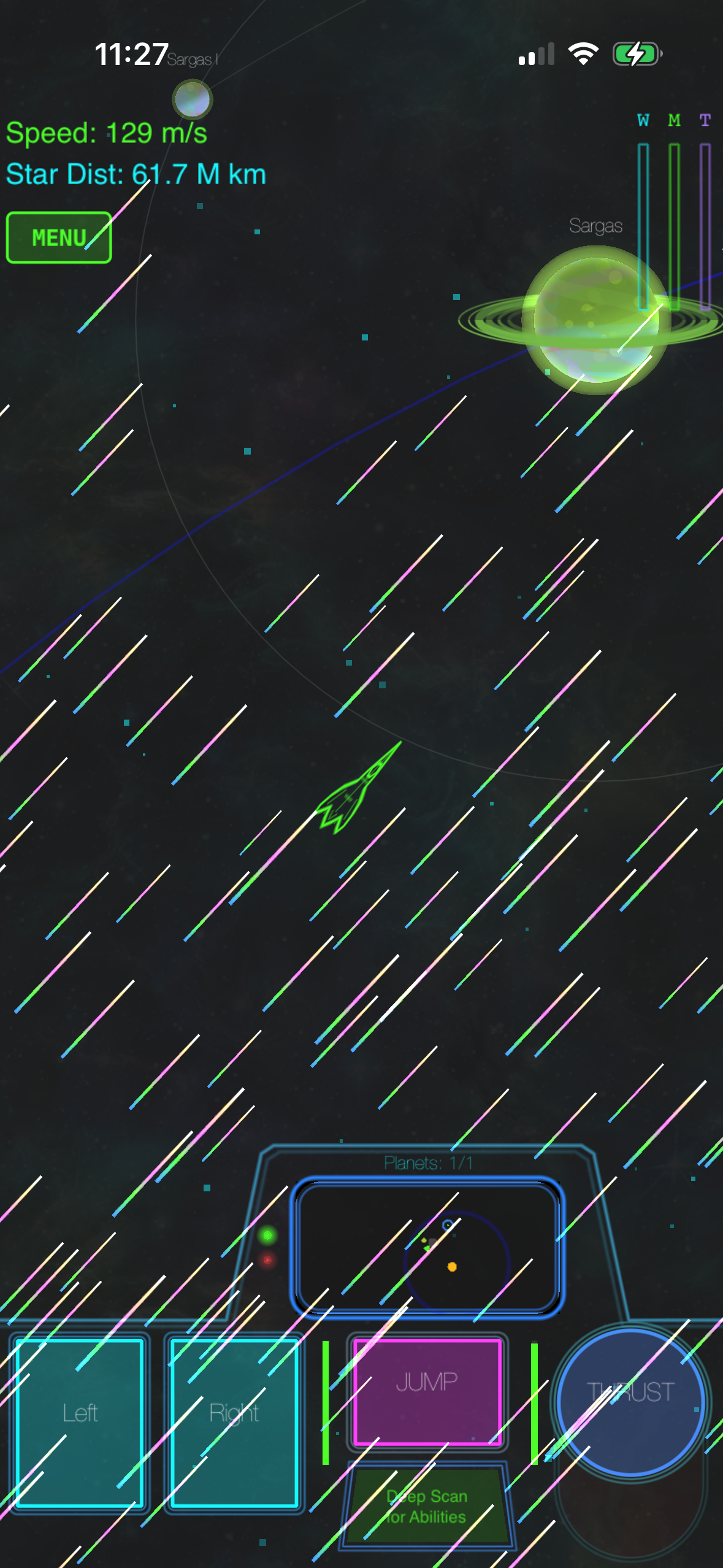
Best for premium single-purchase, real gravity mechanics, and narrative campaign: Galaximus. Pay once, own forever, no ads, no IAP. Real orbital physics as the core mechanic. Complete 8-system story with a satisfying ending.
How Galaximus Compares to Other Premium Space Games
| Feature | Galaximus | Kerbal Space Program | No Man’s Sky | Asteroids Descendants |
|---|---|---|---|---|
| Orbital mechanics | Real (intuitive) | Real (engineering-level) | Simplified | N/A |
| Campaign structure | 8-system authored narrative | Sandbox progression | Infinite procedural | N/A |
| Planetary exploration | Coming in Infinitum | Limited | Core feature | N/A |
| Learning curve | 30 minutes to core mechanic | Steep (hours) | Gentle | Immediate |
| Premium-only model | Yes | No (free-to-play options exist) | No | Varies |
| Procedural audio | Yes | No | No | No |
Where Galaximus separates: Real gravity as the core mechanic, premium-only model with no monetization tricks, and complete narrative experience in a single purchase.
The Roadmap and the Infinitum Expansion
Galaximus shipped as a complete 8-system campaign. You can finish the game, see the ending, and feel satisfied. No soft launch. No “we’ll add content later” promises.
Galaximus Infinitum (late 2026) adds:
- Open-galaxy sandbox mode — explore beyond the campaign into a procedurally generated wider galaxy
- Planetary surface exploration — land on planets and explore them in Battlezone-style wireframe 3D
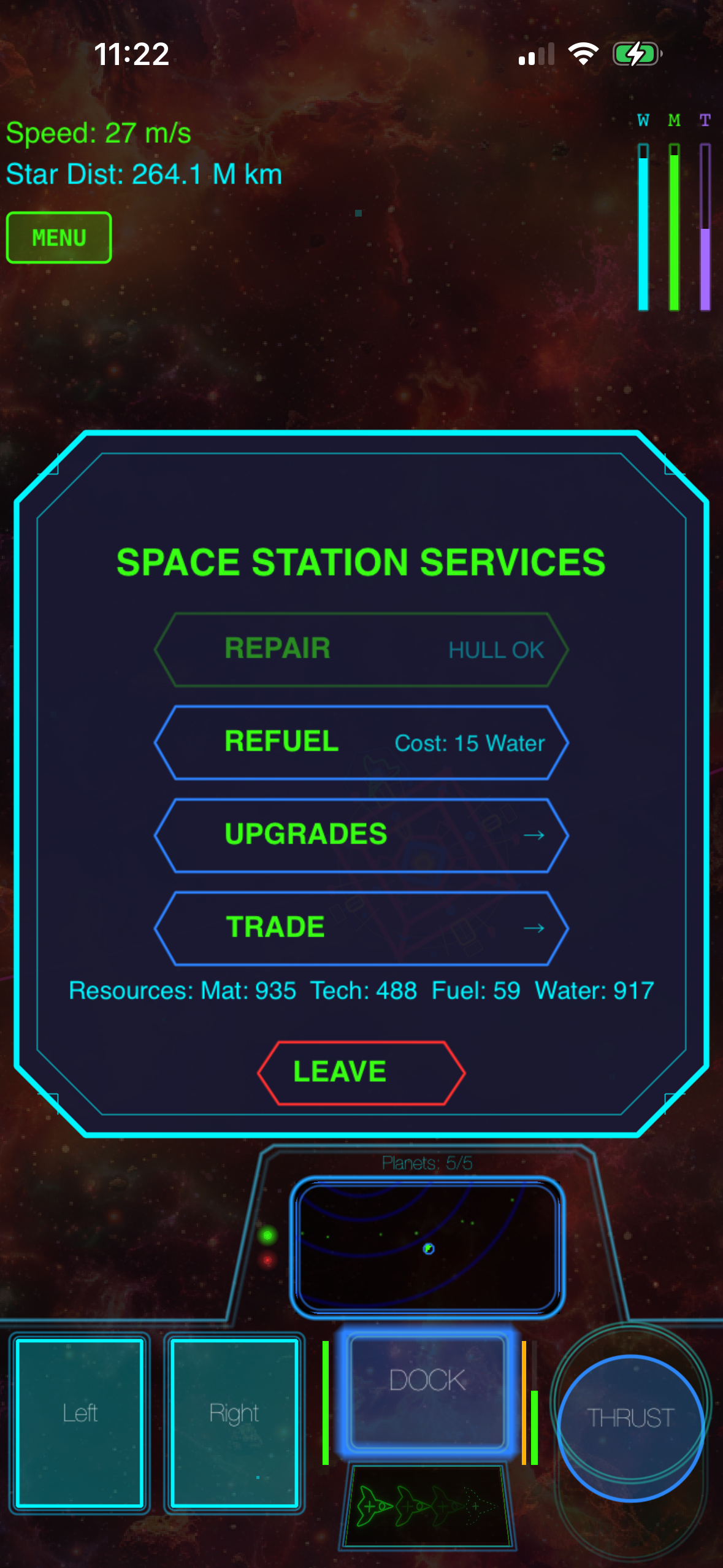
- Outpost building — establish bases, manage resources, defend them
- Faction warfare — align with factions, undertake faction-specific missions, reshape the political landscape
This is a genuine expansion, not cosmetic DLC. Launch-tier buyers get it free. After Infinitum ships, new buyers pay a higher tier that includes both the campaign and the expansion.
The Learning Curve: Honest Talk
Galaximus has a learning curve. Not brutal—most players grasp the core mechanic (gravity as your engine) within 30 minutes of focused play. The first two systems are tutorials disguised as gameplay. By system three, you’re solving spatial puzzles independently.
That’s intentional. The learning curve is the payoff. Once you understand how to slingshot around a planet or use a moon’s gravity well to brake without burning fuel, the game opens up. You’re not just tapping buttons; you’re solving spatial puzzles using actual physics. Mastery is the reward.
But it means Galaximus isn’t for everyone. If you want a casual space game you can play in 2-minute bursts while half-watching TV, there are better options. If you want to spend an hour learning a control scheme that then pays off for hours afterward, Galaximus is built for you.
Why Premium Matters
The premium-only model is almost extinct on iPhone in 2026. Most games are free-to-play with monetization hooks: energy timers, premium currency, battle passes, cosmetics, ads.
Those models are profitable. They’re also designed to maximize engagement and spending, not to maximize the quality of the game experience.
A premium game—pay once, own forever, no ads, no IAP—is built to be fun to play, not fun to monetize. Every design decision serves the game, not the business model. That’s why premium games often feel “complete” compared to their free-to-play equivalents. There’s no incentive to artificially gate content or create friction to push spending.
Galaximus exists because one developer wanted to make that kind of game. Not because it was the most profitable path, but because it was the right path for the game he wanted to ship.
FAQ
Q: How does Galaximus’s gravity differ from other physics-based games?
A: Most physics-based games use gravity as window dressing—it pulls objects down, but it’s not the primary puzzle-solving mechanic. Galaximus uses gravity as your engine. You don’t have fuel thrusters; you have a ship that responds to gravitational fields. Slingshots around planets, orbital captures, and fuel-efficient transfer windows are how you solve problems. It’s closer to understanding gravity intuitively than to learning orbital mechanics at an engineering level.
Q: What happens if I don’t buy the Infinitum expansion?
A: You keep the complete 8-system campaign forever. Infinitum adds open-galaxy sandbox mode, planetary surface exploration, outposts, and faction warfare—but they’re optional. The base game is a finished, satisfying experience. If you buy at launch tier before Infinitum ships, you get the expansion free. If you buy after Infinitum ships, you pay a higher tier that includes both.
Q: Is there any multiplayer or competitive play?
A: No. Galaximus is single-player only. The campaign is a personal story, not a competitive arena. If multiplayer space games matter to you, this isn’t the fit.
Q: Can I play offline?
A: Yes. Galaximus is fully playable offline. No server dependency, no internet requirement.
Q: How long is the campaign?
A: Most players finish the 8-system campaign in 4–6 hours on a first playthrough. Replay value comes from procedurally generated planet configurations—each playthrough presents different orbital challenges. When you finish, you’re done. There’s no endgame grind. Infinitum will add open-galaxy sandbox play for indefinite exploration.
The Case for Premium, Solo-Developer Space Games
When a developer with AAA credentials decides to go indie and build a space game on their own terms, something specific happens. The game reflects one person’s vision, applied with the discipline and polish of someone who’s shipped at scale. There’s no compromise between departments, no feature creep driven by different stakeholders, no monetization hook overriding design decisions.
Galaximus is that game. We built it because we wanted to play it. The learning curve is real—gravity is the engine you have to learn to use. The premium-only model means no ads, no IAP, no energy timers. The procedural audio means every sound is generated in real time, fitting the vector-arcade aesthetic perfectly. And the Infinitum expansion, coming late 2026, adds open-galaxy sandbox play at no extra cost to launch-tier buyers.
If you want a space game where the physics actually matters, where mastery is achievable and rewarding, and where you’re not being monetized while you play, Galaximus is what we built for you.
Get Galaximus on the App Store: